.webp)
.webp)

When Farmers Retire, Bids Go Higher



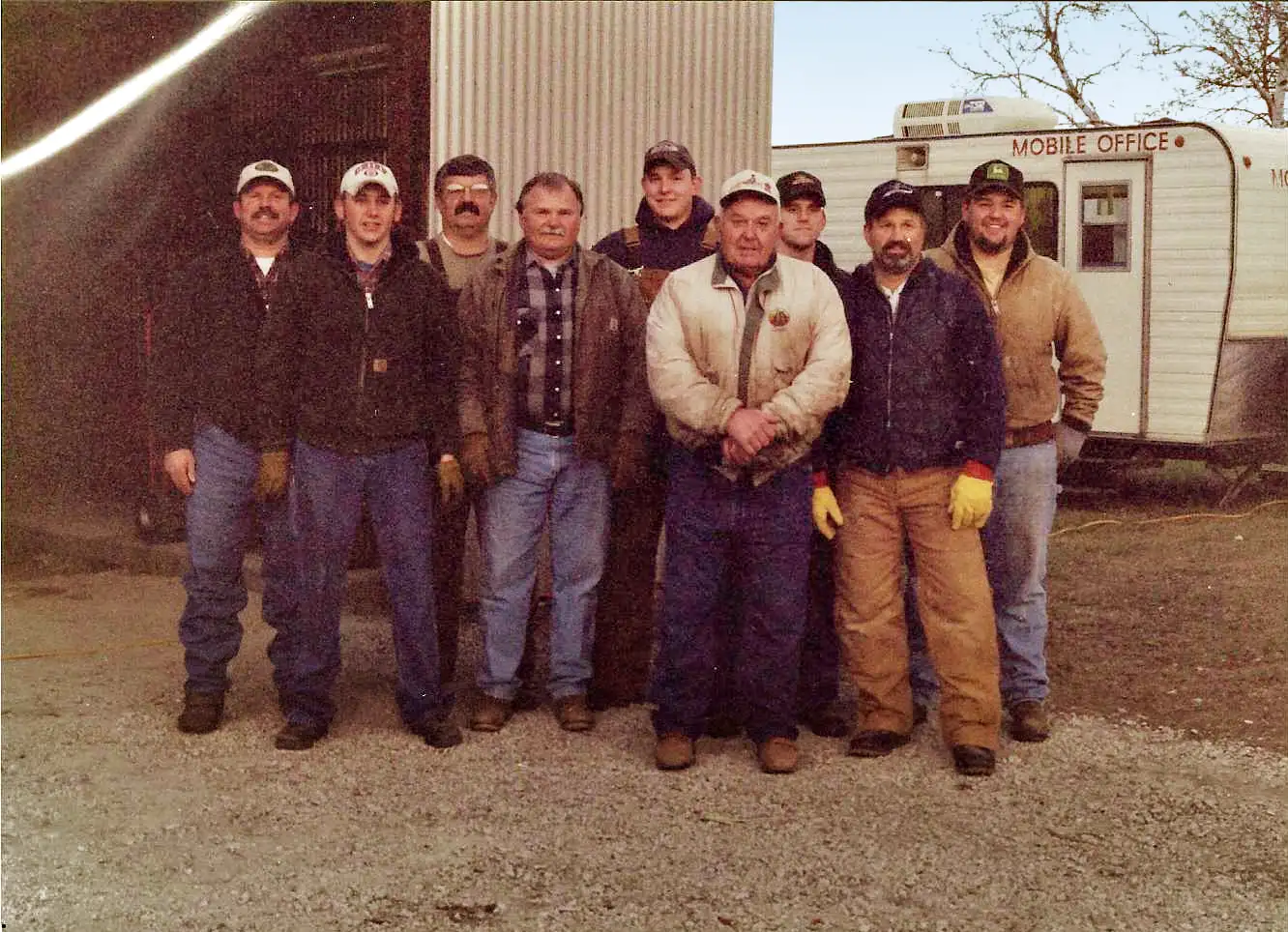
Farm retirement auctions used to be the social events of the community. Neighbors would gather for the opportunity to bid on equipment, celebrate a friend’s accomplishment of successfully wrapping up a farming career, and enjoy a delicious meal, complete with a slice of homemade pie.
Auctions remain great ways for farmers to sell off machinery, equipment, tools, and other assets as they transition into retirement. Today, most if not all auctions have online components, reaching even more potential buyers and, usually, gathering greater returns.
“Good machinery sells at retirement auctions,” said Mark Stock, co-owner of BigIron. “We’ve had more calls in the last two months than we’ve had in the last six months, because people are doing the math and realizing they aren’t making as much money farming. When you’re getting older, and your knees don’t feel good, and your back hurts at night, it’s not as much fun anymore.”
With the exception of 2024, this year is on track to have more retirement auctions than the last five, according to Tractor Zoom.
“So far, I see 66 retirement auctions in 2025,” said Andy Campbell, Tractor Zoom director of insights. “I’m not sure we’ll beat 2024, but the longer this tough economy holds out, we’ll continue to see more.”
Premium Pricing
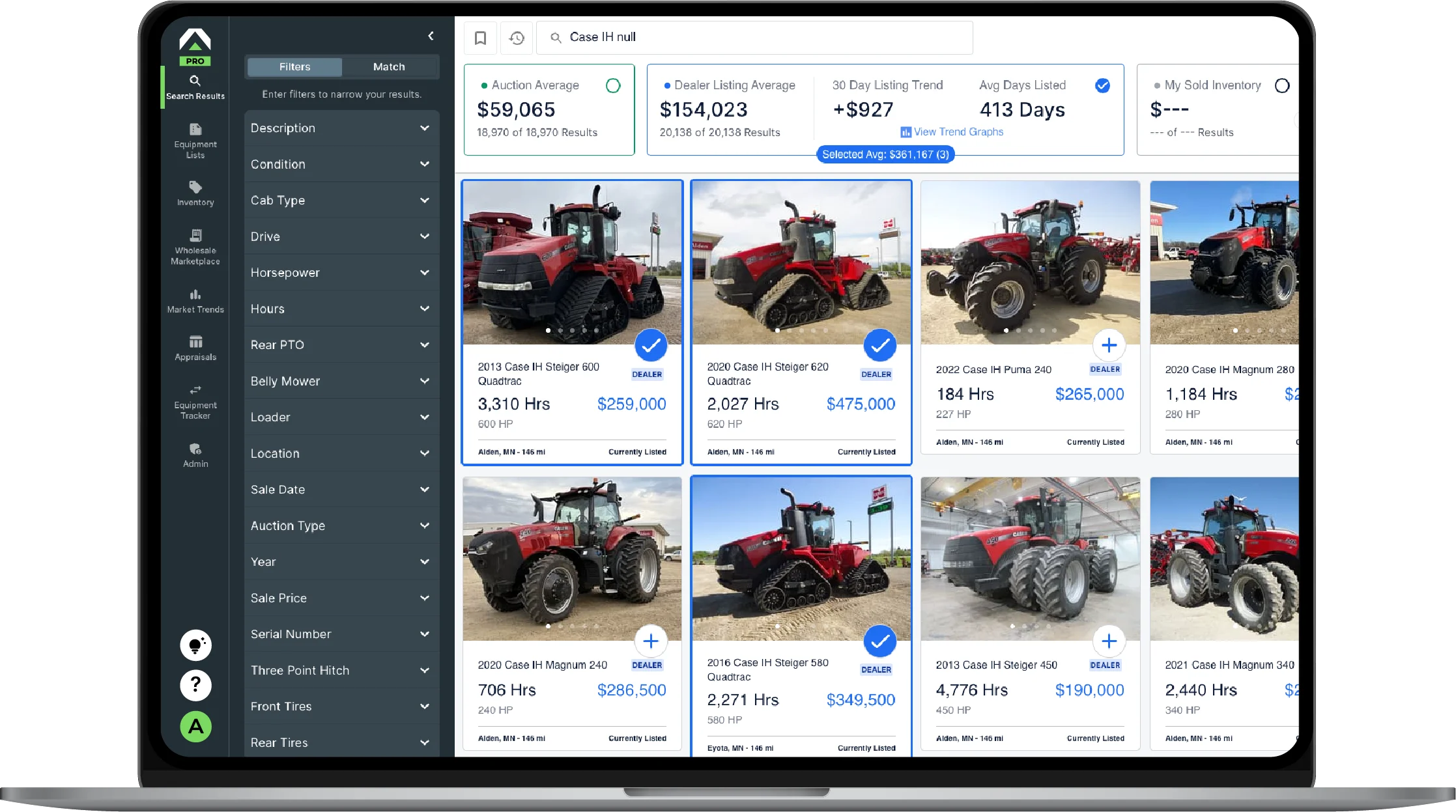
In a low commodity-price era, retirement sales become more common as farmers decide to exit the business. And, according to data from Tractor Zoom, equipment on retirement sales tends to bring premium prices.
“Statistically speaking, retirement auctions outperform other types of auctions — dealer liquidation, consignment — from a price standpoint,” Campbell said.
Typically, dealer auctions have multitudes of a single type of item — say, a combine — where a retirement auction only has one, maybe two. Simple supply and demand comes into play and often drives up the price.
Another benefit of a retirement auction is the opportunity to speak directly to the farmer, have your questions answered, and learn more about what you’re buying.
“You can talk directly to the owner about that particular machine, where you don’t usually have that option with other types of auctions,” Campbell said. “If you want a cheaper deal, you may want to look elsewhere, but if you want a machine that you know more about, go to a retirement auction.”
Digging deeper into the statistics, Tractor Zoom research shows buyers are willing to pay more for equipment at retirement auctions than at other types of sales — on average, 18.3% more for row crop tractors, and 19.1% more for combines. Of the 48 categories of equipment analyzed, 26, or 54%, returned significant price premiums at retirement auctions over the past three years.
According to the Tractor Zoom report “Retirement Auctions — Going Out With a Bang!” buyers tend to be willing to pay more for equipment on retirement sales.
“Why? Folks likely figure those machines have been better maintained, have more longevity, haven’t had quite as hard a life as equipment that’s maybe been through multiple auction cycles, or they just feel more comfortable buying directly from a retiring farmer they might know,” the report said.
Set Yourself Up for Success
If you’re considering selling your equipment at a retirement auction, you can do some things to help increase the likelihood of seeing those premium prices.
Timing is key. BigIron’s Stock encourages sellers to list equipment sooner rather than later to get in front of similar equipment that may hit the market.
“There’s a lot of people making the decision to sell when they’re not making a tremendous amount of revenue," he said. "A lot of people wait until March or April, but I’d say get the jump on it and sell in November, December, even in January.”
Also, talk to your auctioneer of choice with plenty of advance notice.
“Don’t call us up and say, ‘I want to sell in two weeks,’” Stock said. “You’ve owned it for so long; don’t sell yourself short. The success to anything is exposure.”
Along with an ample window of time, it’s perhaps even more important to accurately represent the equipment you’re selling. With today’s online options, clear pictures and descriptions can make the difference between a good sale and a great one.
“Don’t be bashful if there’s something wrong with it — disclose, disclose, disclose,” Stock said. “You’ll be rewarded for that in the long run. People can handle it if you tell the truth right up front.”
Be open to including your contact information for nonlocal bidders to reach out with questions.
Jon Kinzenbaw to Sell 100+ Antique Tractors From His Private Collection in Iowa
After the Sale
Once your retirement sale is over, there are important decisions to be made about the revenue. An estate planning attorney and financial adviser are keys to helping you understand your unique situation, and should be part of your team before you schedule the auction.
One option that may appeal to sellers and potential bidders is a Charitable Remainder Trust (CRT). A CRT allows assets to be put into an irrevocable trust, with provisions to allow the donor an income stream for a set period of time or their lifetime, with the remainder of the assets going to a designated charity.
For example, in a retirement auction with $750,000 put into a CRT, the income could be spread out over 10 years, with the farmer receiving $75,000 a year. This creates a smaller, spread-out tax burden versus taking on the full amount in a single year, and provides a steady source of retirement income.
However, one requirement of a CRT is at least 10% of the funds must go to a charity of the donor’s choosing. This can be a good way to support local or national organizations you care about. Advertising this during your auction lets bidders know a percentage of their bids will support charitable causes.

Join the future of ag & heavy equipment sales
Take a guided tour of Tractor Zoom Pro and Anvil Pro to discover how wider margins and faster turns are just a few clicks away.